


Daytime view of Rice Creek Business Center I in Shoreview, Minnesota. Photography by Clearform Creative.
Industrial property photography should help a prospect understand the building, available space, loading areas, entrances, and site context. Pair the images with an approved property fact sheet so marketing can explain both what the property looks like and which specifications have been verified.
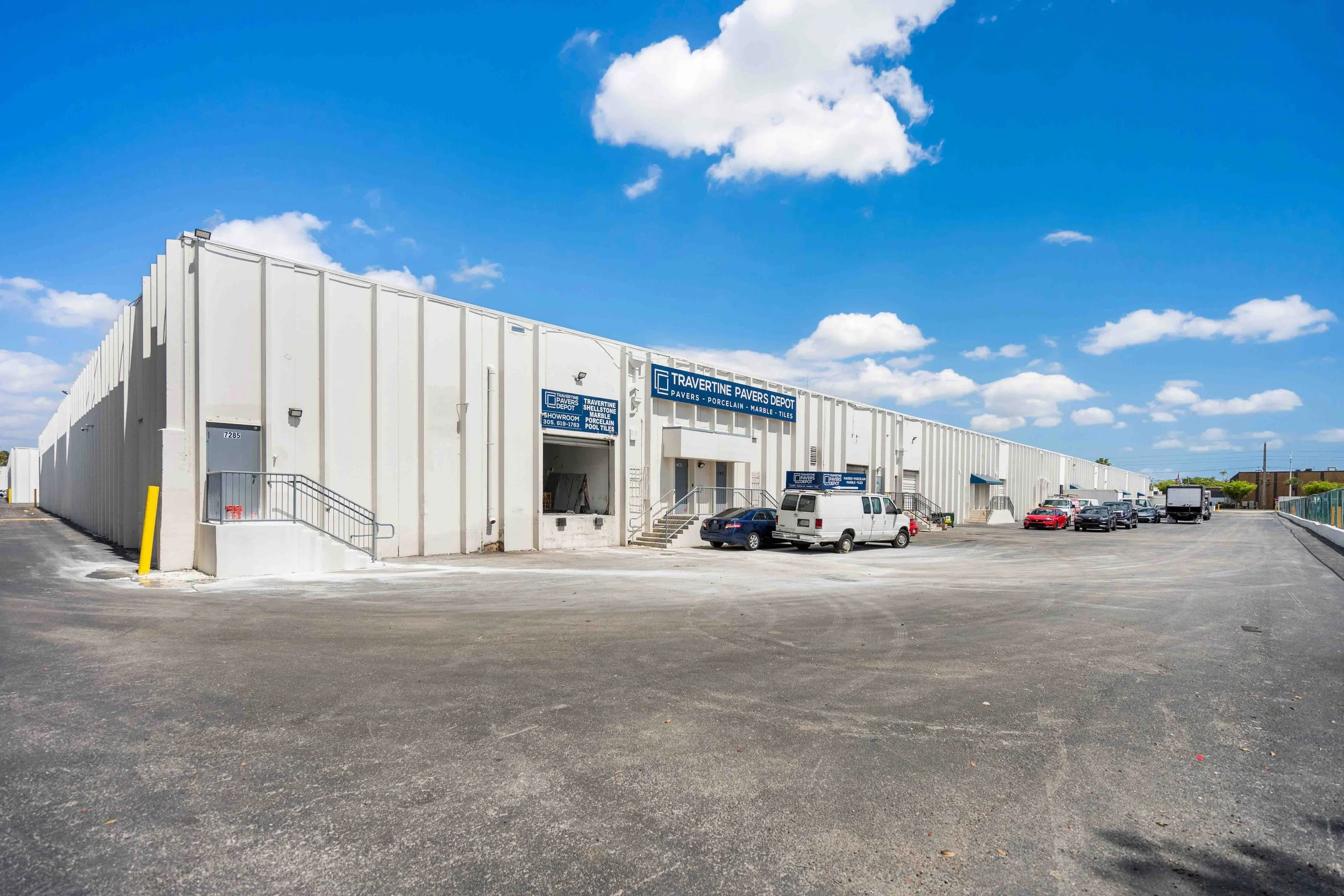
Clearform Creative produces ground photography, video, and aerial media for industrial and logistics properties. Our published projects include Rice Creek Business Center I in Shoreview, Minnesota and Airport Trade Center in Miami.
Start with the available space
Identify the building and suites being marketed. Clarify whether the assignment covers the whole property, selected vacancies, occupied operations, or a portfolio overview. Attach a site plan with the areas to capture marked clearly.
Request approved information from the leasing or ownership team for dimensions, clear height, loading configuration, power, and other specifications. Photographs can help explain these features visually, but they do not establish measured capacities or technical suitability.
Map the required views to ground photography, aerial coverage, and property video. For a multi-market assignment, our national production partner guide explains the coordination decisions to resolve before scheduling.
Prioritize views that explain function
| Coverage | What the image should explain | Before capture |
|---|---|---|
| Building exterior | Identity, facade, relationship between buildings | Confirm the exact property and building labels |
| Site entrance | Where vehicles enter and how the property is approached | Coordinate access and active traffic |
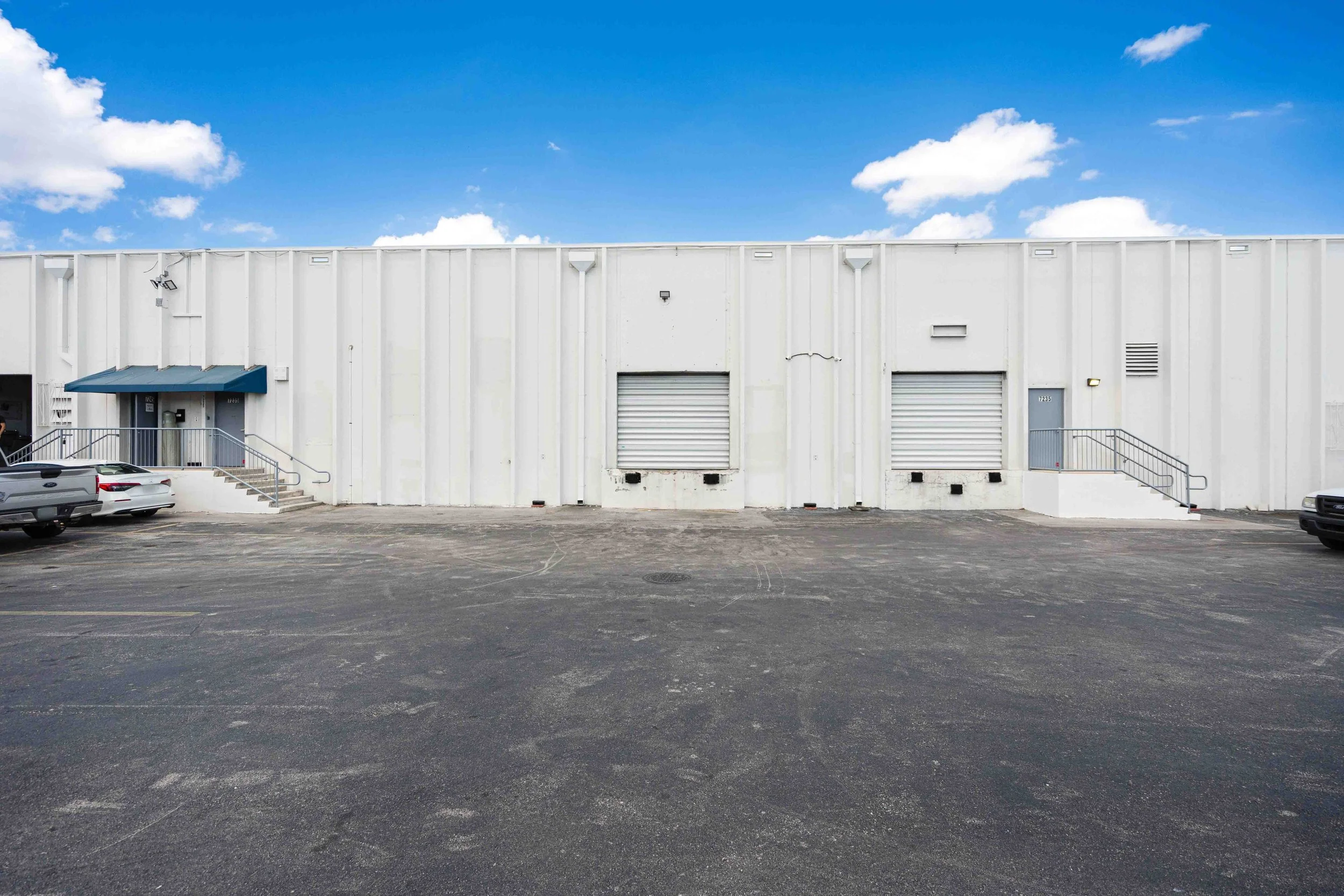
| Loading area | Visible doors, dock arrangement, surrounding space | Arrange a safe capture window |
| Warehouse or flex interior | Layout and visible condition of the available space | Confirm access and areas that may be shown |
| Office component | Entrance, reception, offices, shared areas in scope | Prepare the selected rooms |
| Aerial context | Building arrangement and surrounding site | Review flight feasibility and any overlay needs |
Include wider views and closer details where they answer different leasing questions. A broad exterior establishes the property; a loading-area view can explain a portion that the main facade does not show.
Coordinate with operations
Assign a site contact who understands tenant access and vehicle activity. Confirm which interiors can be photographed and whether any equipment, goods, documents, or identifying information must remain outside the frame.
Arrange capture around safe site operations. The brief should identify restricted areas and any required escort or protective equipment. The production schedule needs to accommodate the site's rules and the people working there.
Give aerial coverage a specific job
Use the aerial shot list to request particular relationships: multiple buildings on one site, the entrance relative to the property, or the layout of parking and loading areas. Agree on any labels or boundary graphics separately and supply a verified base plan for them.
Our Rice Creek Business Center I project documents daytime ground and aerial coverage for a flex industrial property in Shoreview. Its cover image gives an elevated view of the building and surrounding roads and landscaping. The project is an example of daytime coverage, not evidence that every industrial assignment requires twilight photography.
Planning a shoot? Send us your property, priority spaces, and deadline so we can recommend a deliverable-based scope.
Organize the delivery by property and use
For a portfolio, set one naming convention before the first location. Include the property, building or suite where relevant, and subject. Keep approved specifications in the accompanying marketing material rather than encoding unverified measurements in filenames or captions.
Agree on finished-photo counts, video deliverables if included, website and brochure crops, deadlines, and intended usage. At Airport Trade Center, our published scope includes leasing photography and video. The useful lesson for planning is to identify all intended outputs while access is being coordinated.
Brief to send: Property list and addresses; available suites; approved fact sheets and site plans; priority views; interior access; site safety requirements; tenant restrictions; photo and video quantities; required crops; intended usage; deadline; on-site contacts.
Common questions
Can a photograph prove clear height or truck-court depth? Use verified measurements from the appropriate property documents. Images provide visual context.
Should aerial images include property boundaries? Add them only from an approved plan and label them appropriately. A visible fence or road is not sufficient evidence of a legal boundary.
Can several properties share one brief? Yes, if each address has its own access details, priority views, and exceptions within a consistent deliverable structure.
Explore our industrial and logistics work for more project examples.
Build your industrial media scope
Read ground versus aerial industrial photography to refine the coverage mix. The production FAQs and published rates provide background before we scope your specific property list.
Send the addresses, available suites, access contacts, and leasing deadline. Contact Clearform for an industrial photography and video scope.


