
Should a real estate portfolio use one national production partner or local photographers?
It depends on the number of properties, the media required and who will manage consistency. A local specialist is often the efficient choice for one straightforward assignment. A single multi-market production partner becomes valuable when properties need the same creative brief, editing standards, approval process and delivery system. Compare the total cost of coordination, travel, revisions and final assets, not just the shoot-day price.

What are you actually buying?
For a one-property assignment, the product may be a clean group of photos. For a regional or national assignment, the deliverable also includes a reliable process: site scheduling, a shared shot list, quality control across locations, consistent post-production, and files the marketing team can use without rework. Those are different scopes and deserve different comparisons.
Decision matrix: local providers versus one production partner
| Consideration | Local vendors at each site | One multi-market partner |
|---|---|---|
| Single small assignment | Often efficient, with limited travel expense. | May not justify travel or centralized coordination. |
| Consistent visual standards | Needs a strong shared brief, training and centralized editing. | One team can apply one visual standard, subject to actual staffing. |
| Scheduling | Sites can arrange independently, but oversight is spread across vendors. | Central scheduling is simpler for ownership but still depends on site contacts. |
| Travel | Usually less long-distance travel for each location. | Travel can be grouped geographically; flights, lodging and route changes still matter. |
| Photo, film and drone | May need several contractors or an unusually versatile local team. | Can coordinate the deliverables together under one scope. |
| Editing and approvals | Central reviewers must align different styles, files and timelines. | Shared editing rules and one review system can reduce duplication. |
| Weather and rescheduling | Local flexibility can be useful. | Route changes can be disruptive; a contingency plan is essential. |
The best choice is not always either extreme. A hybrid model can use a lead production team for creative direction and editing while assigning appropriate local crews to certain markets.
When local photographers are the better choice
- One site needs a small, time-sensitive photography update.
- A reliable provider already knows the property and meets the required standards.
- The brief is narrow and there is no need for coordinated film or common portfolio editing.
- Travel would represent a disproportionate share of the quote.
- The marketing team has the capacity to review and organize the resulting files.
Local knowledge can be useful for weather, building access and available shooting windows. If the work is mainly a handful of updated still photographs, a national campaign structure could be unnecessary.
When one multi-market production partner makes sense
- You are launching, repositioning or refreshing several properties in different markets.
- Ownership wants the same level of production quality across assets.
- Multiple media types must be captured under one schedule.
- The central marketing team wants one approval contact, editing approach and delivery standard.
- You have a coordinated deadline and need a clear escalation plan if access or weather changes.
A single partner is not automatically better. Ask who will actually shoot each site, which work is handled in-house versus contracted, and how the provider will maintain consistency between different crews.
Three realistic planning examples
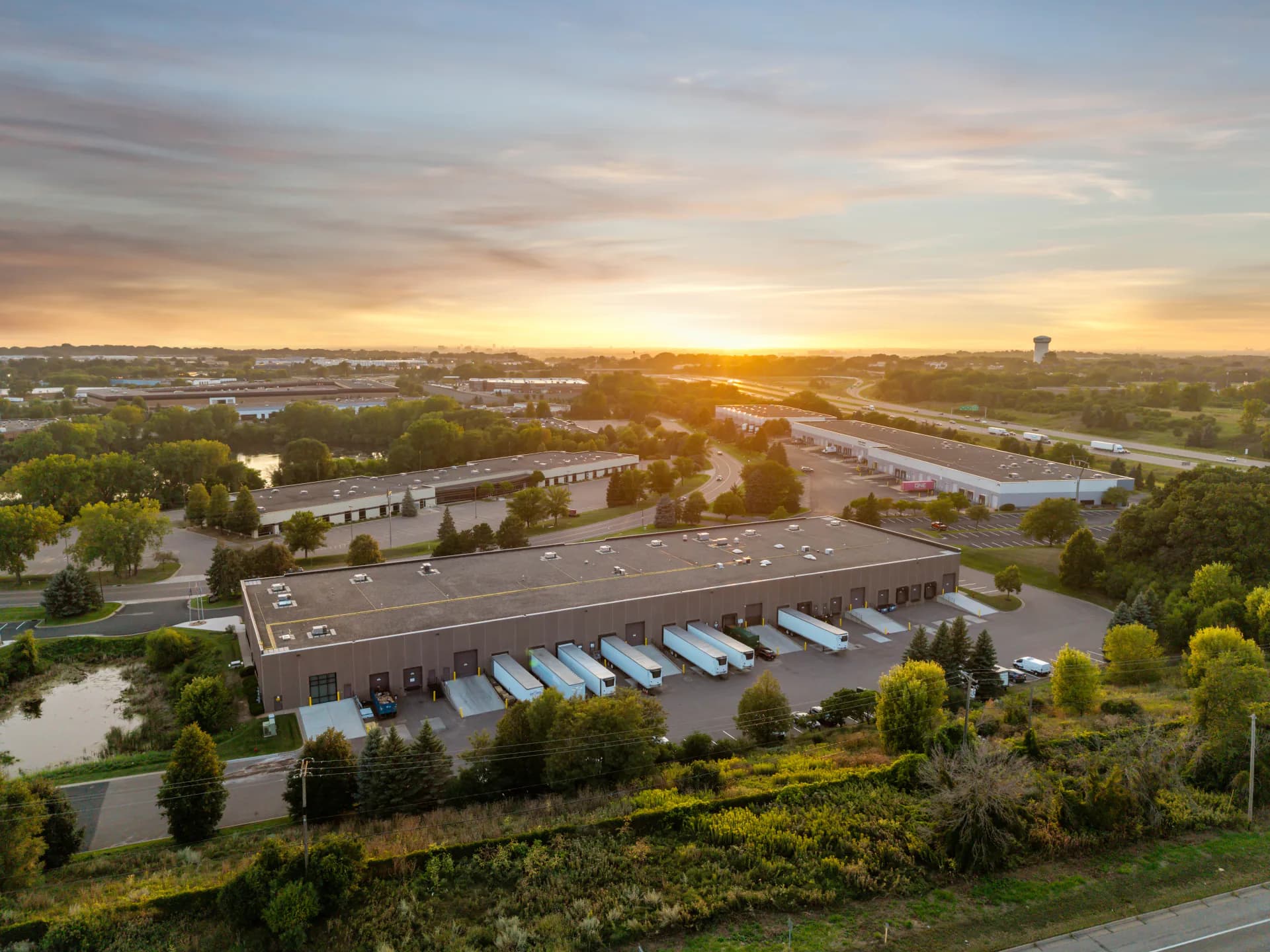
Example 1: One industrial property needs updated aerial and exterior photographs
If the assignment is a short shoot with a narrow deliverable list, a qualified local specialist may provide the most practical proposal. Verify commercial drone credentials, airspace access, site safety and file specifications. A multi-city production team is not inherently needed.
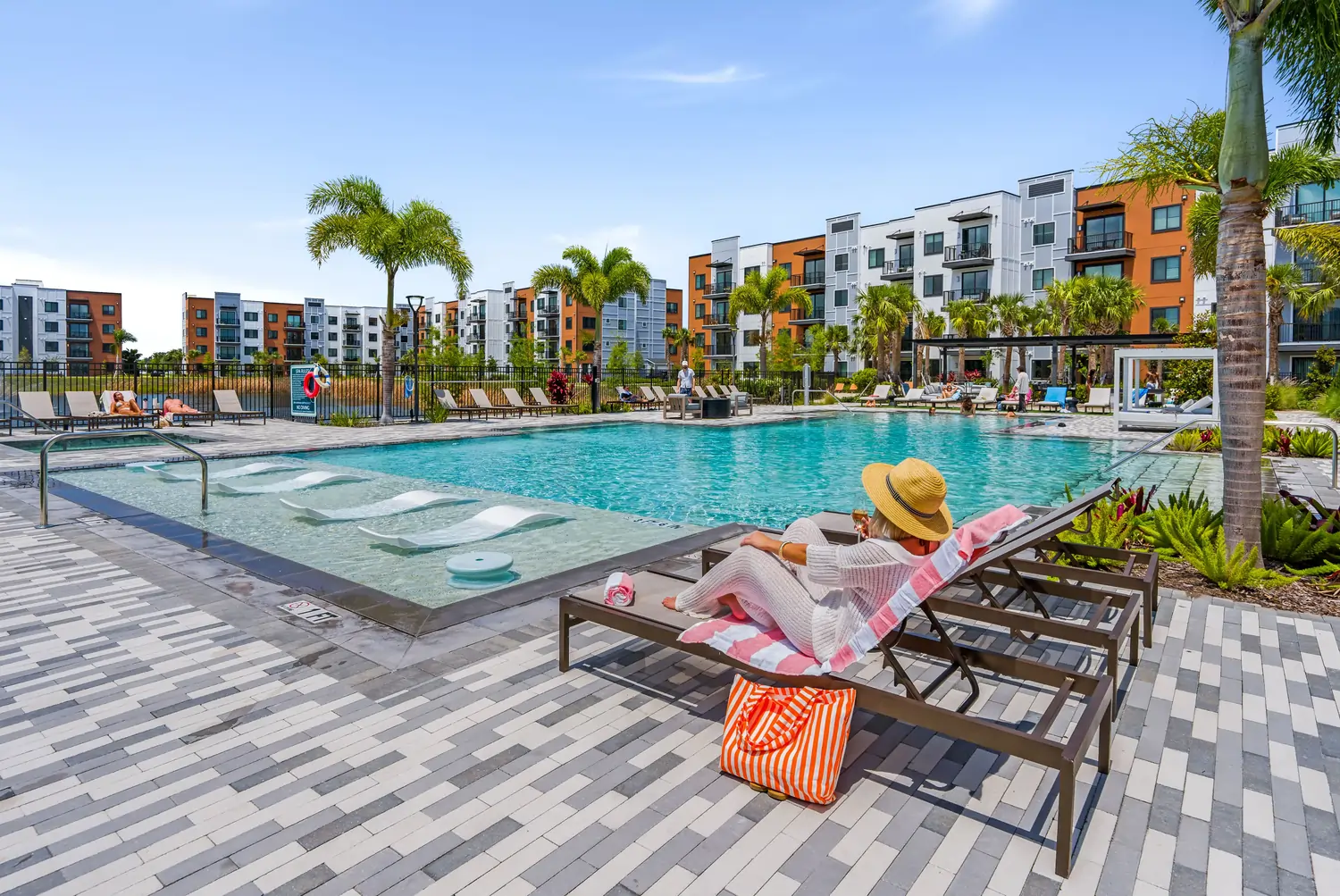
Example 2: Eight apartment communities need consistent photography and film
Assume the communities are in three states, with different amenities and points of contact. Here, one production lead can create a common shot plan, specify video format and editing standards, group dates geographically and maintain a property-by-property deliverables tracker. This is a hypothetical planning situation, not a description of a particular client or campaign.
Example 3: A larger portfolio includes both simple refreshes and major launches
A hybrid approach may be strongest. The portfolio team could reserve centrally directed production for new or flagship properties and arrange small repeat shoots locally under a strict quality and file-delivery standard. The correct approach depends on geography, scope and budget.
How to compare proposals fairly
Give every provider the same written brief. Ask for the same properties, media formats, final asset counts or selection method, editing approach and license. Distinguish production fees from travel, talent, location access and optional shoots.
| Category | Questions to ask |
|---|---|
| Production | What spaces and media types are included? How many on-site days and crew members? |
| Travel | Are flights, lodging, ground transportation, mileage and weather changes included or billed separately? |
| Post-production | Who edits the work? Are color, framing, motion style and audio consistent across the portfolio? |
| Delivery | Are files grouped by property, amenity and use? Can regional teams access the correct versions? |
| Approval | How many review rounds, what is a revision, and who consolidates stakeholder feedback? |
| Rights | Which entities may use the media, on what channels and for how long? |
| Contingencies | What happens when a model is occupied, an amenity closes or bad weather prevents aerial capture? |
A six-step approach to a repeatable portfolio shoot
- Inventory: Record all properties, locations, types, building sizes, spaces, existing assets and current marketing gaps.
- Classify: Separate full launches, standard refreshes, limited pickups and any sites not yet ready.
- Standardize: Create a core shot list, editing examples, approved deliverable formats and a naming convention.
- Schedule: Confirm one on-site point of contact per property; group compatible markets, allow for travel and weather.
- Review: Establish one person responsible for consolidated feedback and one final acceptance process.
- Deliver: Check that each property receives its complete, properly labeled asset set, with any incomplete coverage logged.
Which costs are easy to overlook?
Hidden operational work can include reviewing inconsistent files, answering site questions repeatedly, coordinating multiple drone operators, recutting videos for a second format, paying for return trips and locating older assets months later. A lower initial quote is not always cheaper overall. Conversely, paying for a full national team when a local photographer can handle a two-hour pickup may be wasteful.
Frequently asked questions
Can one partner handle properties nationwide?
Some can, but coverage depends on scheduling, crew capacity, travel and market conditions. Ask for a written site-by-site plan rather than assuming every market is immediately available.
Can local crews produce consistent assets?
Yes, when shot lists, reference samples, color standards, final formats and quality control are sufficiently specific. Consistency still requires active coordination.
Does one partner mean one person shoots every property?
No. Ask how the company staffs each shoot, who leads creative direction, and who performs final review. The accountability structure matters more than assuming identical staffing.
Is travel always more expensive?
Not necessarily. A well-planned route can spread travel costs across multiple properties, but the economics depend on locations, schedule and coverage. Compare itemized totals.
How Clearform approaches multi-market production
Clearform Creative supports real estate owners, developers and property marketing teams with photography, video, aerial media and post-production. We assess the actual locations and deliverables, coordinate access and scheduling, and build an organized delivery plan instead of assuming every property needs the same package.
Review publicly available multi-market work, published budget guidance and the multifamily media scope guide. To compare approaches for your properties, send Clearform the list of markets, deadlines and desired assets.


