
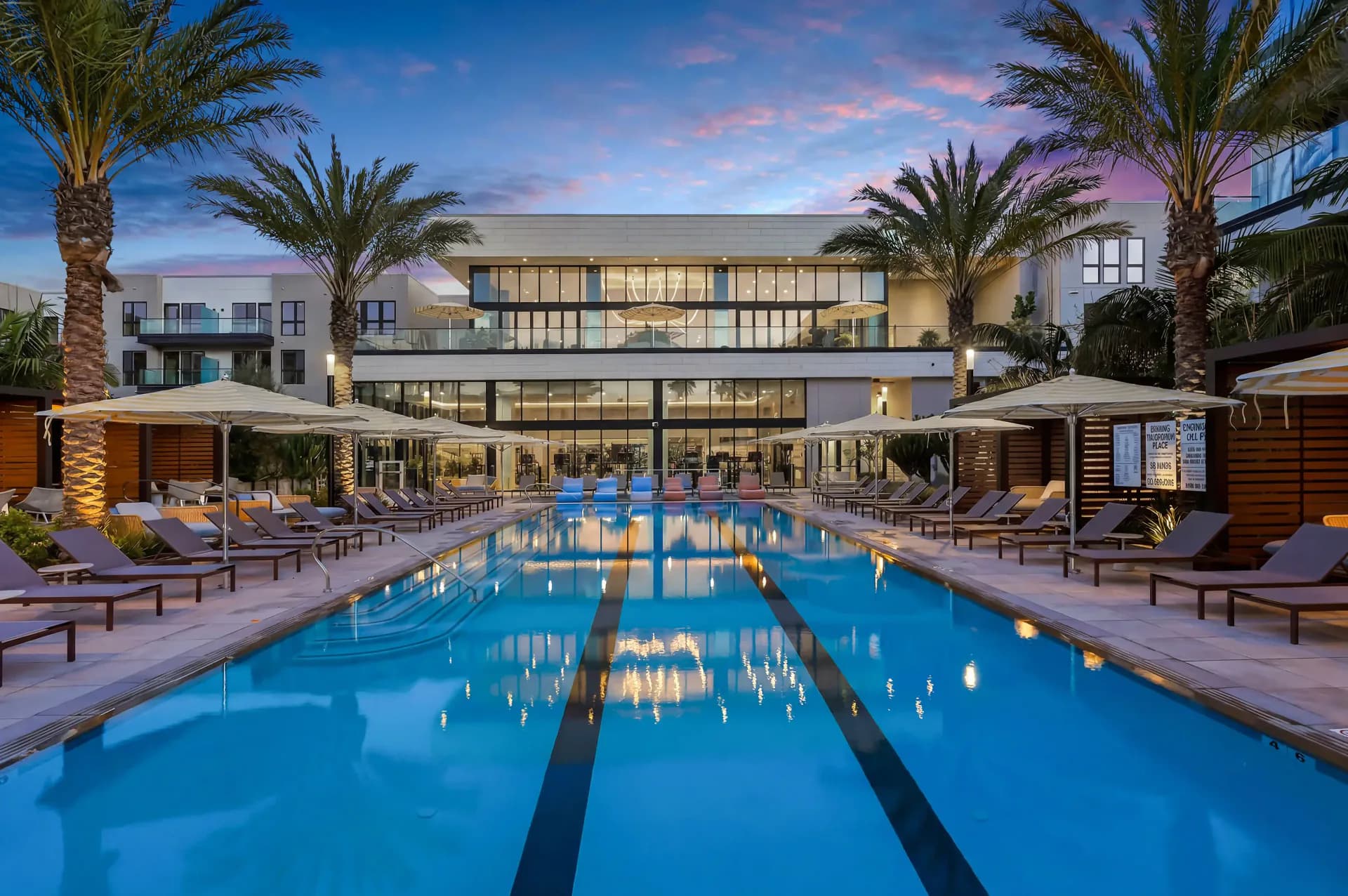
How much photography and video does an apartment community need?
There is no universal number of photos or videos. Start with the spaces prospective residents need to evaluate, the channels your leasing team uses, and the questions your current media cannot answer. Most properties benefit from a complete set of model, exterior and amenity photos. Add a community film to show movement and connections between spaces, aerials when location and site layout matter, and lifestyle content when a campaign needs people using the amenities. Scope should follow the property and marketing plan, not a fixed package count.
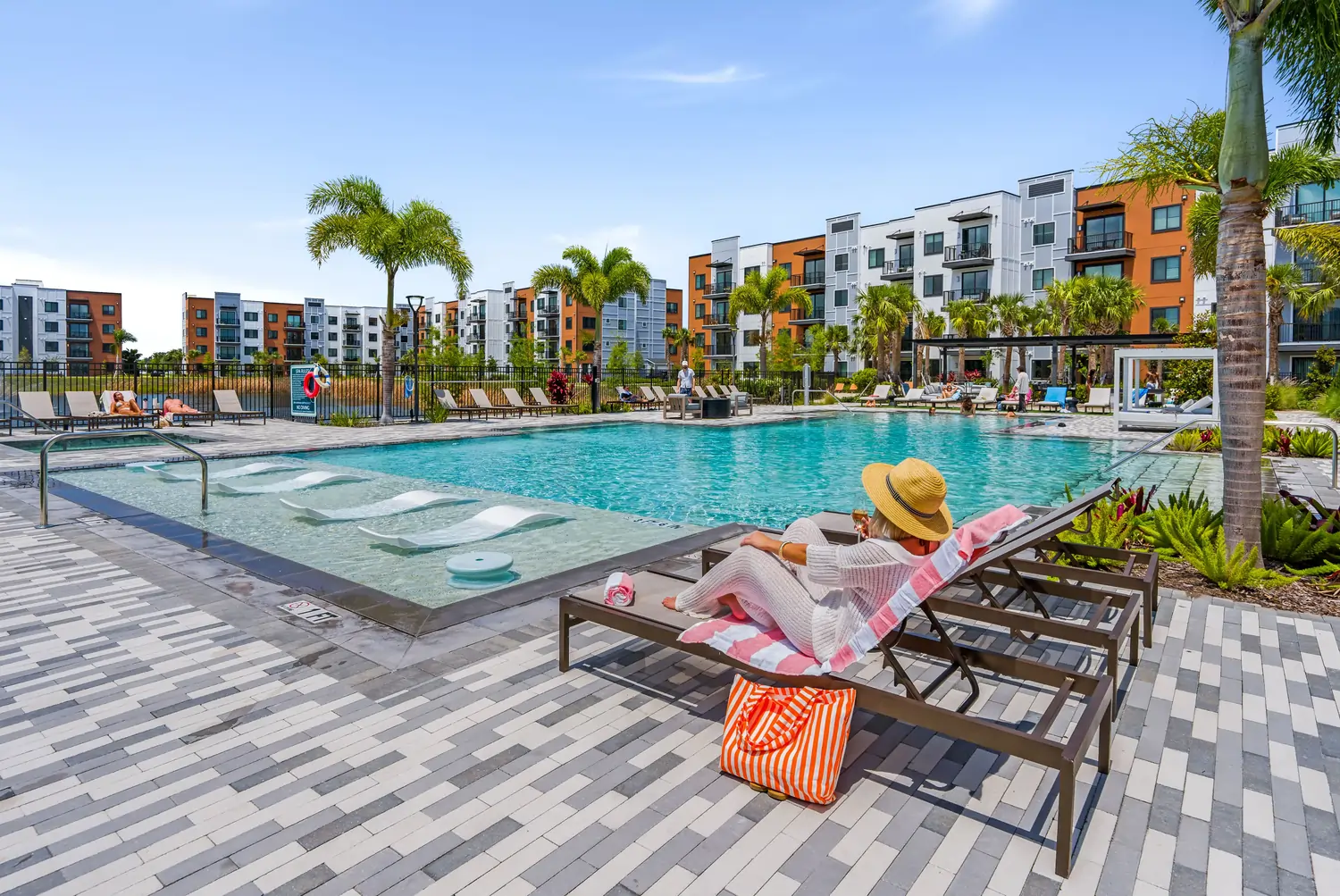
Start with the marketing decision, not the camera
Before requesting pricing, ask three questions. What has changed? A renovation or amenity opening may only need updated images. Who needs to see it? A prospective resident choosing a floor plan needs different information from an ownership team presenting a portfolio. Where will it run? A leasing website, ILS listing, social ad and lobby display can require different lengths, crops or file types.
For lease-ups, plan the content in stages if some spaces are still under construction. Capture finished models and ready amenities first, then schedule remaining exterior, amenity or lifestyle work when those areas can be shown accurately. Do not market unfinished areas as completed spaces.
What should a complete multifamily shot list include?
Build the list by distinct space. This planning matrix helps a team agree on what each deliverable must communicate.
| Space | Baseline coverage | When to add video or aerial |
|---|---|---|
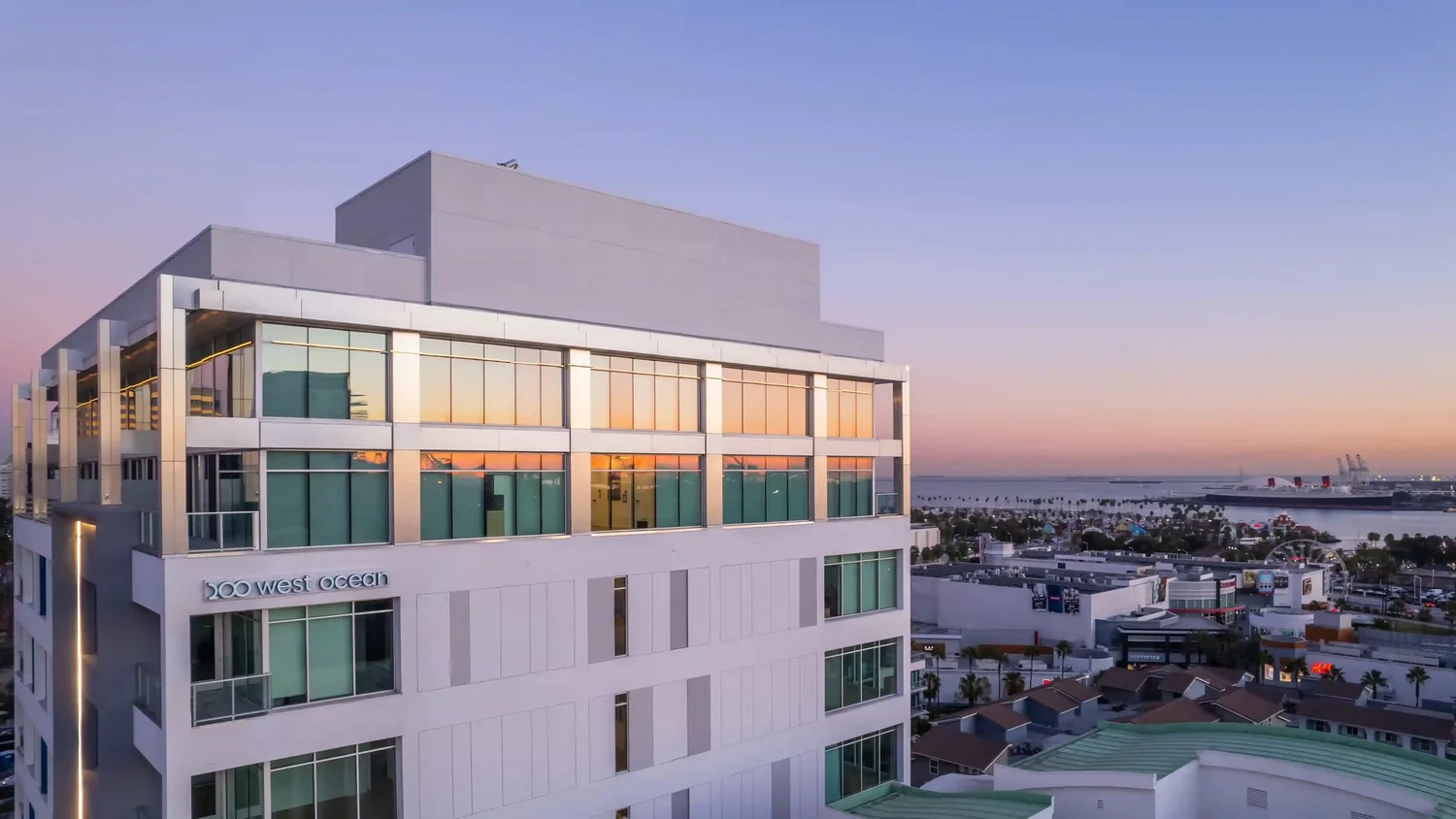
| Arrival and building exterior | Entry, facade, signage and a useful street-level view | Motion shows approach, landscape or how buildings connect. Aerial can clarify the property footprint. |
| Model units | Living area, kitchen, bedroom, bathroom and distinctive finishes | A filmed walkthrough helps explain an unusual floor plan or flow. |
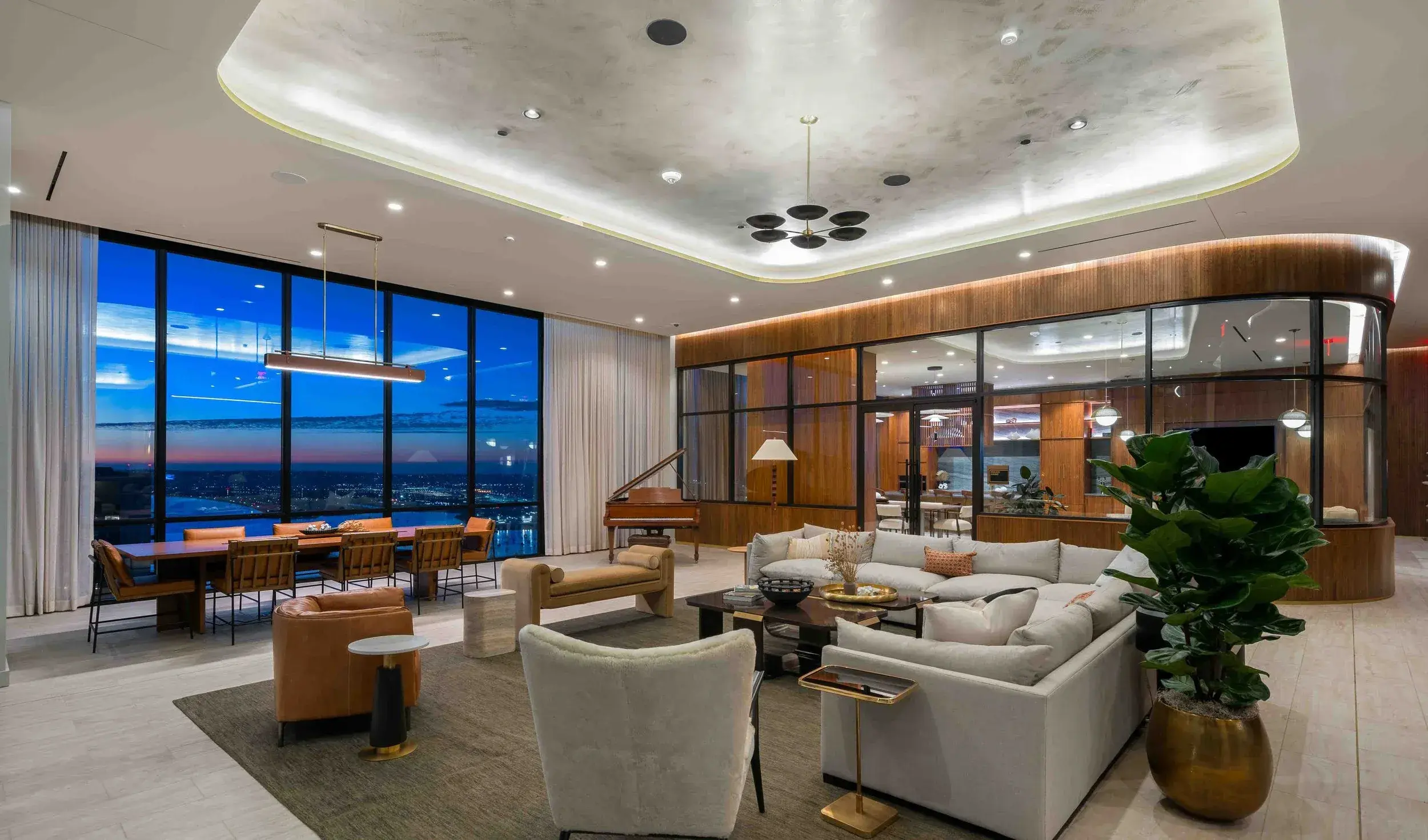
| Resident amenities | Each distinct pool, fitness area, lounge, workspace, courtyard or pet feature | Video helps when an amenity's scale, activity or layout is hard to convey in one frame. |
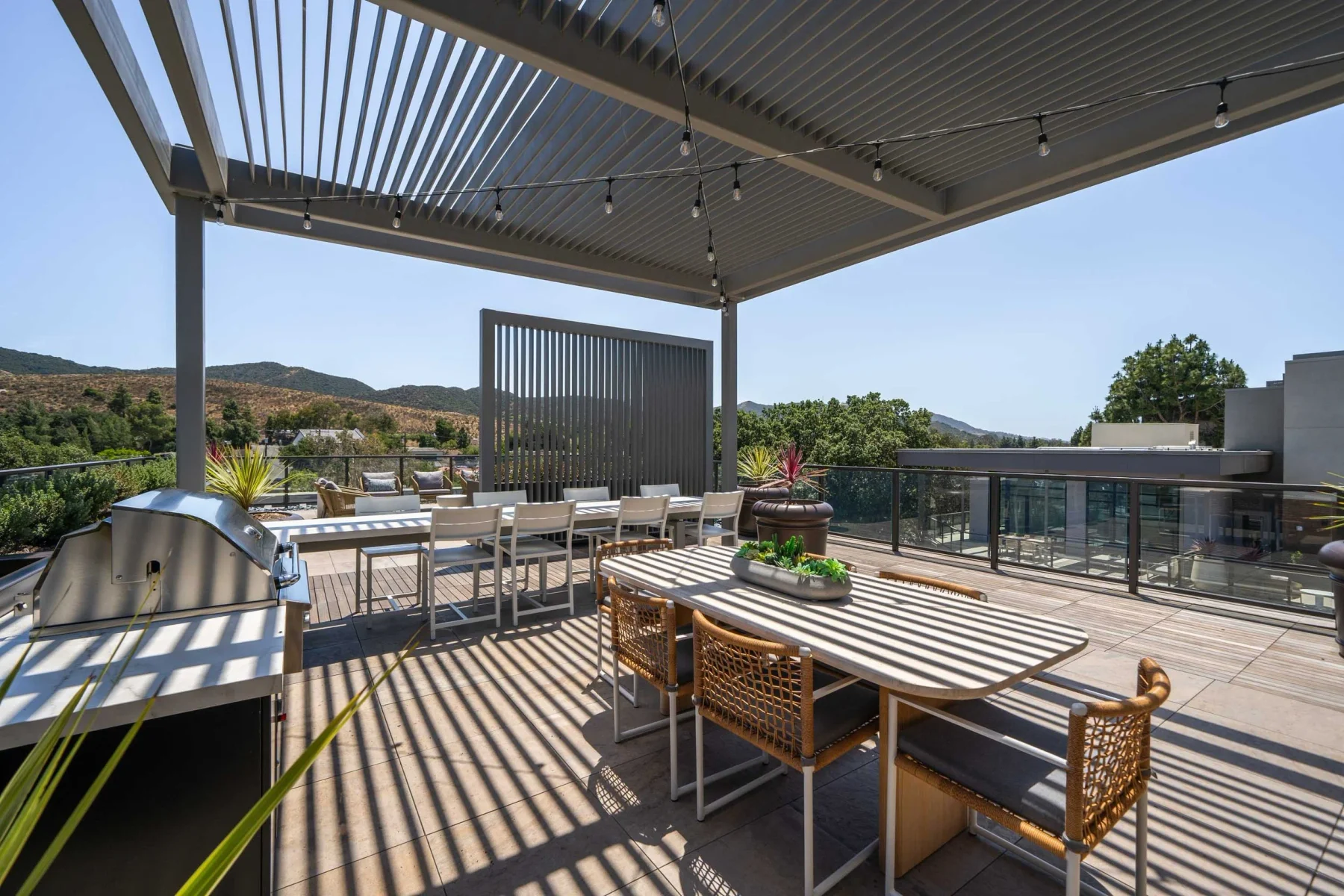
| Outdoor spaces | Courtyard, rooftop, terrace, seating and usable landscape | Twilight can suit outdoor lighting; aerial can show how the spaces sit within the property. |
| Neighborhood context | On-site features and nearby context that can be shown accurately | Aerial helps explain access, proximity and scale when legally permitted. |
| Lifestyle | Only when the brand needs people and real activities in the story | Directed scenes or short vertical clips support planned campaigns; they are not necessary for every property. |
One important rule: different space does not always mean more images. Capture enough angles to explain a room well. Avoid filling a gallery with nearly identical frames while leaving a leasing feature uncovered.
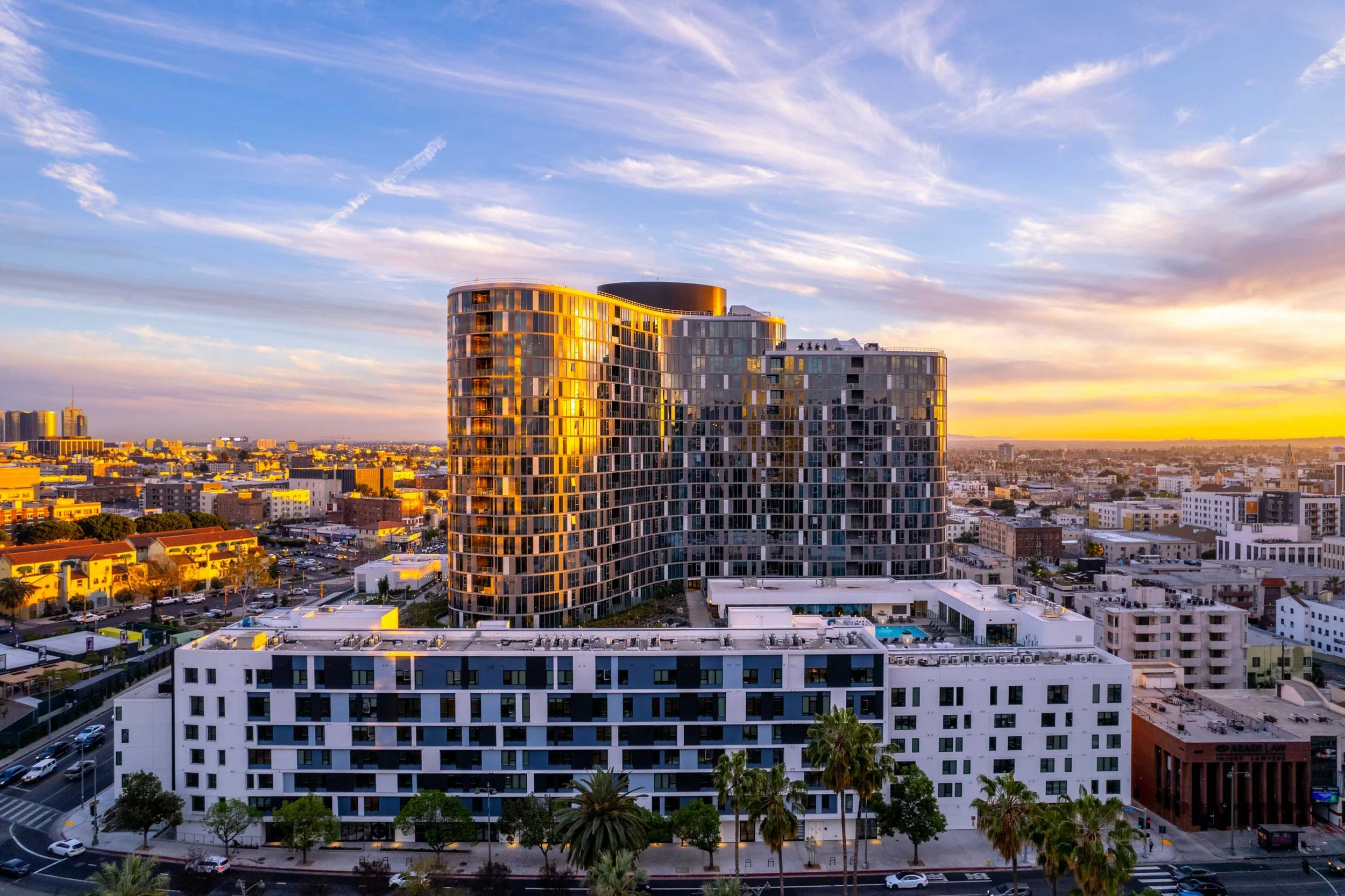
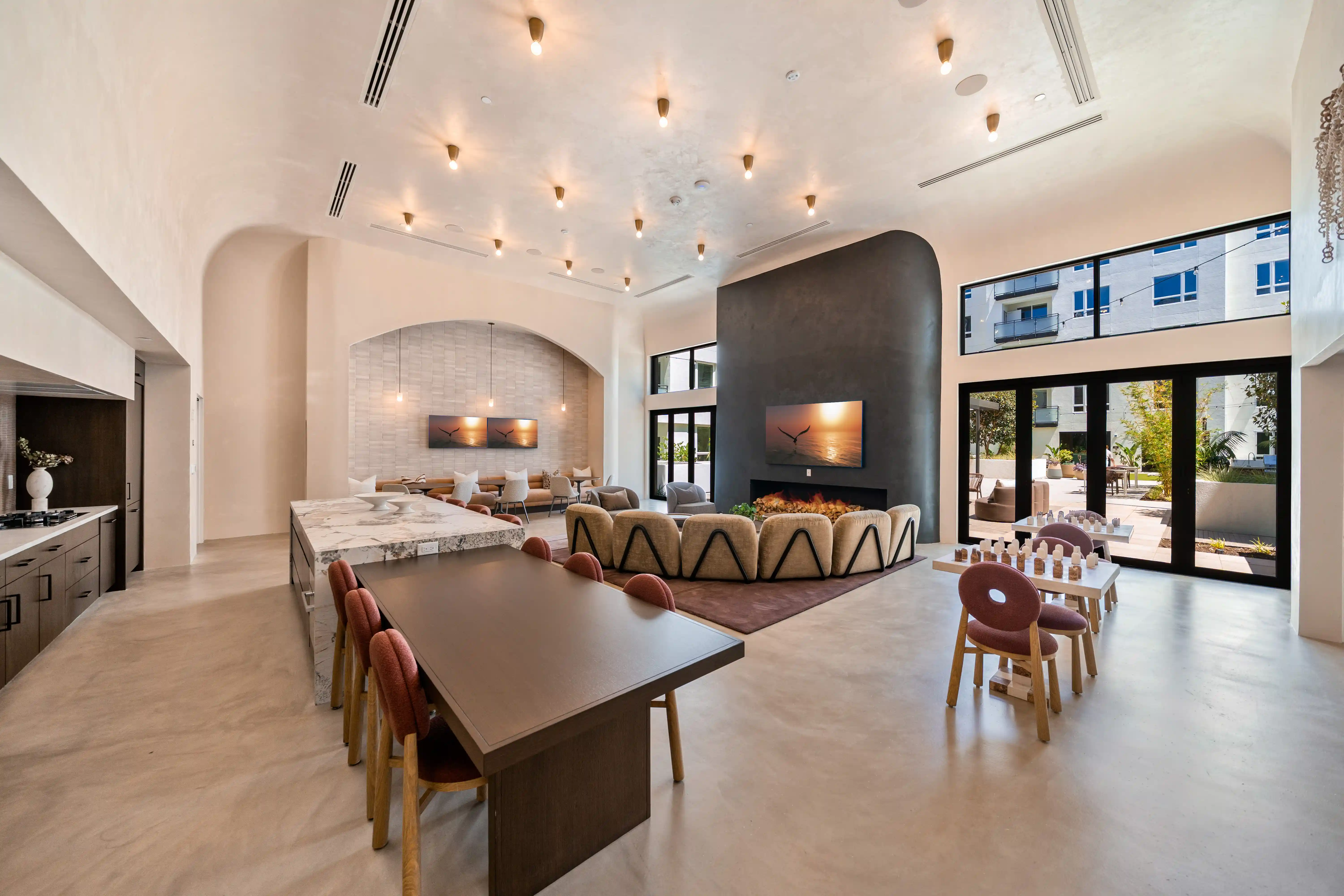
Sample scopes for three common situations
The examples below are illustrative planning briefs, not Clearform averages, fixed packages or guaranteed deliverable counts. A final scope depends on access, property layout, editing requirements and your approval process.
Example A: An existing community refreshing its listings
Situation: A stabilized property has a new model and updated fitness center, but most existing photography is still accurate.
- Priority: Update only the changed areas, plus an exterior if the current one no longer reflects the property.
- Illustrative output: About 15 to 30 selected, edited photos across several spaces.
- Optional: A short video update if the property already has a master film that can be revised.
- Usually unnecessary: Refilming every amenity, producing multiple lifestyle scenes or repeating unchanged drone views.
Example B: A 300-unit community preparing for lease-up
Situation: Two furnished models, a leasing center, a pool, a fitness center, a coworking space, lounges and outdoor amenities are all ready for marketing.
- Priority: Cover all leasing-critical spaces consistently, with special attention to the first impression and model layouts.
- Illustrative output: About 45 to 70 final photographs, a 60 to 90-second community overview, and a small set of short social edits if those channels are in the campaign.
- Consider: Drone coverage for building scale and a small lifestyle component when the creative brief calls for it.
- Plan separately: Talent, staging, twilight, additional floor plans and work that depends on construction completion.
These numbers demonstrate how to think through a deliverable list. Another 300-unit community could need substantially less or more depending on its architecture and amenities.
Example C: Several properties needing a coordinated refresh
Situation: A regional team needs comparable images from buildings in several markets without replacing every existing asset.
- Use a common set of shot categories and file naming rules across sites.
- Allow exceptions for distinct amenities, local conditions and different property layouts.
- Group scheduling when practical, but plan for weather, access restrictions and travel between sites.
- Deliver each property as its own organized library so leasing teams can locate the correct assets.
For this type of assignment, compare one production partner with multiple local vendors before setting the budget.
When is photography enough, and when should you add video?
| Marketing need | Good starting point | Why |
|---|---|---|
| Update several changed rooms | Photography | Fast to replace outdated gallery sections without rebuilding the full media library. |
| Show an unusual layout | Photography plus a walkthrough | Still frames capture details while video shows movement between spaces. |
| Introduce an amenity-rich lease-up | Full photo set plus community film | Gives visitors both detail and a coherent overview. |
| Explain building scale or access | Exterior photography; aerial if useful and permitted | Helps locate the site and understand its setting. |
| Feed a short-form advertising campaign | Purpose-shot vertical edits | A vertical ad needs its own framing, pacing and message. |
A short social clip is not a substitute for a full property overview, and a full property film does not replace the still images required by many listing and marketing channels. Explore Clearform photography, video production and aerial coverage.
Which deliverables should you request?
- Photography: Selected final images, consistent color and retouching, organized by property and space, with appropriate web and print versions if required.
- Property film: Agreed runtime, music approach, branding or text treatment, and a primary horizontal format.
- Short-form edits: Quantity, target platforms and aspect ratios specified before production. Cropping a horizontal film may not suit every vertical placement.
- Drone media: Exact locations and intended shots, subject to airspace, site access, safety and weather.
- Files and rights: Delivery method, naming, licensed use, review rounds, revision scope and any raw-file expectations stated in the proposal.
Ask the leasing team where each asset will be used. ILS and advertising platforms can update their technical requirements, so verify the current upload specifications for each destination before the export list is finalized.
What actually changes the production budget?
The biggest variables are not simply the apartment count. They are the number and complexity of distinct spaces, the volume of approved final assets, how many shoot days or return visits are needed, the extent of video editing, whether people and staging are involved, twilight requirements, aerial limitations and travel between locations.
A well-prepared 300-unit property with six accessible areas can sometimes be simpler to capture than a smaller building with several towers, multiple models and amenities on different floors. This is why Clearform quotes the actual scope rather than multiplying a price by the number of units. Our published pricing guide provides starting context, not a substitute for a project quote.
Five questions to answer before requesting a proposal
- Which spaces are new, changed, missing or currently represented by poor images?
- Are you supporting a lease-up, everyday leasing, repositioning or a portfolio update?
- Will the media run on the property website, ILS, paid ads, social channels or internal presentations?
- Do you need horizontal film, vertical clips, lifestyle talent, aerial coverage or twilight?
- What is the deadline, and which areas will be ready and accessible on shoot day?
Once those answers are clear, use our property shoot preparation checklist to reduce delays.
Frequently asked questions
Does every unit type need to be photographed?
Not necessarily. Start with the representative layouts that matter most to leasing, then include visually distinct units or upgraded finishes. Confirm that the selected images are accurate for the floor plans being advertised.
Should we wait until every amenity is complete?
Not always. A staged plan can support early leasing with finished models and other ready areas. Make sure any later coverage and website updates are part of the schedule, and avoid presenting unfinished spaces as open.
Can an existing property film be updated instead of replaced?
Sometimes. An edit or pickup shoot may work when footage quality, formats, rights and the changed areas support it. It can be less appropriate if the brand, layout or visual standards have changed substantially.
Is more content always better?
No. A smaller, accurate set of well-chosen media is more useful than a large gallery that repeats views or confuses the audience.
Plan the right scope with Clearform
Send us the community name or location, a list of spaces, existing assets, intended channels and target dates. We can advise on a photo-only refresh, a combined campaign or coordinated multi-property production, and clearly separate essential coverage from optional add-ons. Request a project scope from Clearform.


