
How should an apartment community prepare for a photo and video shoot?
Assign one on-site contact, approve a list of spaces, and confirm access before the crew arrives. Clean and stage the models, reset amenities, alert residents where needed and provide accurate information about construction or closed areas. Schedule special requirements like talent, drone, twilight and extra formats in advance. Preparation reduces delays, helps the team use good natural light and makes the resulting media more useful to leasing and marketing.
Who should own shoot-day preparation?
Choose an on-site lead who can open spaces, answer questions and approve small adjustments. The property manager, leasing lead and marketing approver may be different people; identify who has the final decision on space readiness and priorities. Give the production team a single schedule and a reliable way to contact that lead.
Preparation timeline: two weeks through final delivery
| When | What the property team should confirm | Why it matters |
|---|---|---|
| 1 to 2 weeks out | Locations, media types, models, approvals, construction status, talent and access. | Sets a workable scope and avoids last-minute substitutions. |
| 3 to 5 days out | Cleaning, landscaping, furniture, repairs, resident communication, weather alternatives. | Prevents disruptions from items that need lead time. |
| Day before | Walk every space, test lighting, confirm keys and escorts, remove visible clutter. | Allows small fixes while there is still time. |
| Shoot morning | Open spaces, secure a parking/loading area, confirm the day's schedule. | Protects the planned shooting windows. |
| During the shoot | Keep spaces available and respond quickly to access changes. | Reduces downtime and missed coverage. |
| After the shoot | Consolidate review feedback, confirm assets and organize publishing. | Makes the production usable by the whole marketing team. |
The model apartment checklist
A camera will show details people might overlook during a walk-through. Inspect each unit from the doorway, from likely camera positions and in reflection.
- Make every bed cleanly and align pillows, throws and bedding.
- Clear excess decor, personal items, remotes, cleaning supplies, cables and packaging.
- Wipe mirrors, windows, glass doors, countertops, faucets and appliances.
- Check lamps, bulbs, shades and window treatments; report any broken lighting.
- Straighten dining chairs, cushions, rugs, artwork and furniture.
- Close toilet lids and store towels and toiletries as planned.
- Confirm the room, furniture and finishes are approved to represent the unit type being marketed.
Important: Do not remove required safety notices or alter the appearance of a unit in a way that misrepresents its features. Move temporary items only when the property team permits it.
The amenities checklist
Fitness center
Reset weights, mats and movable equipment. Remove towels or bottles left behind, wipe mirrors and equipment, and check that digital displays do not show personal information. Coordinate a period with limited resident traffic when possible.
Pool, deck and courtyard
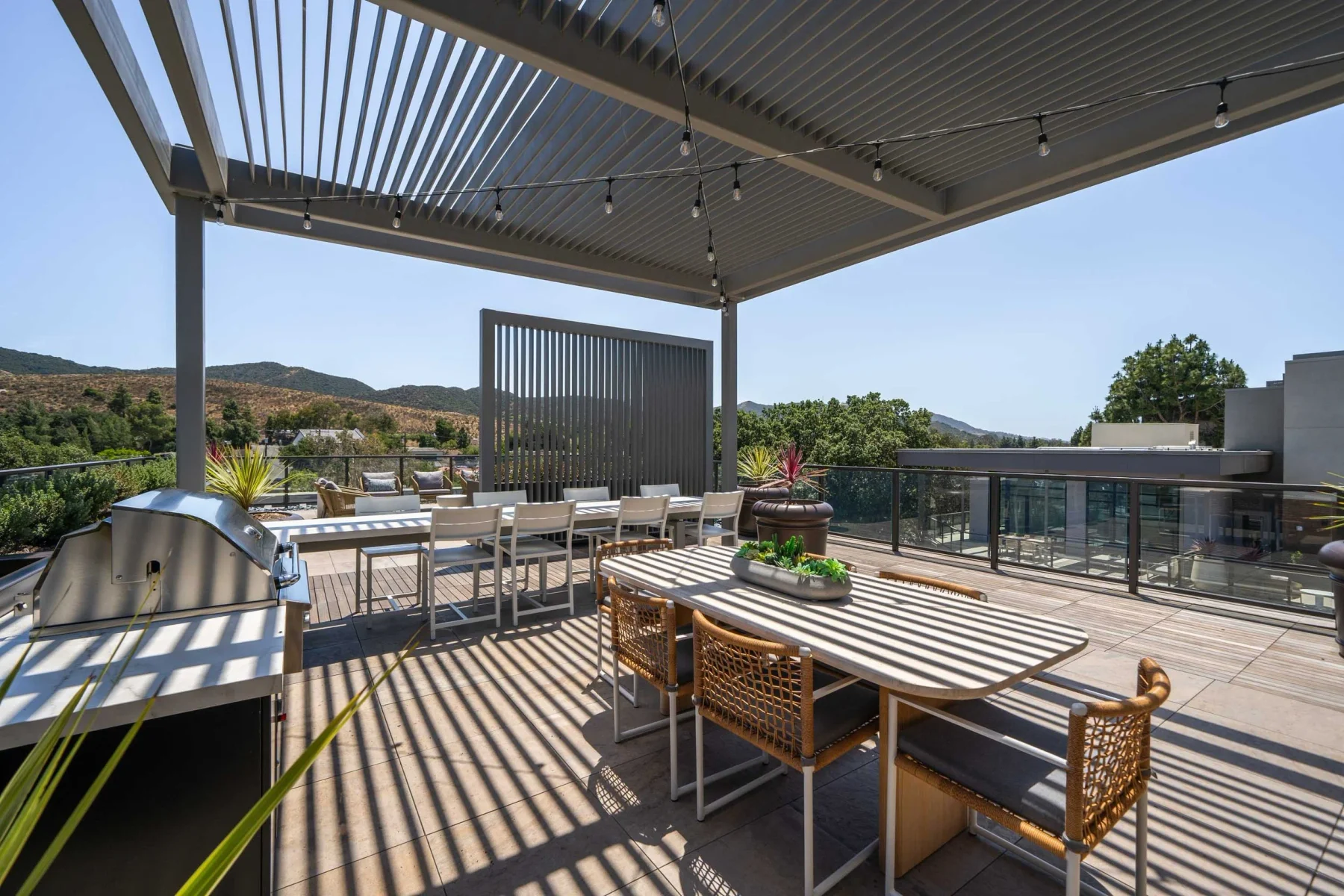
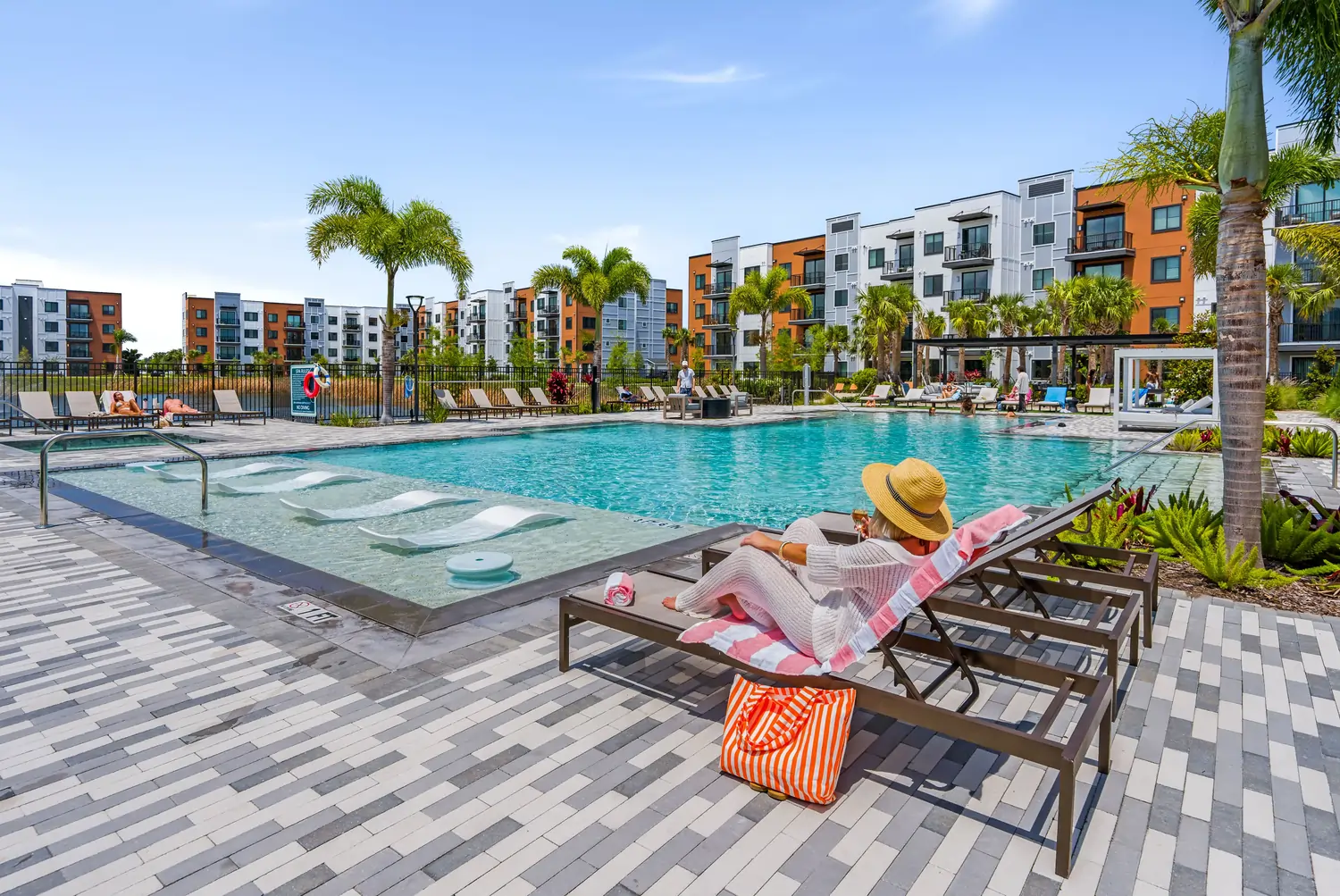
Arrange furniture, clean deck areas, collect litter, inspect landscaping and confirm access to any pools or outdoor spaces. If staff need to stage cushions or umbrellas, have those items ready beforehand. Do not block access or safety paths for a shot.
Leasing, lobby and coworking areas
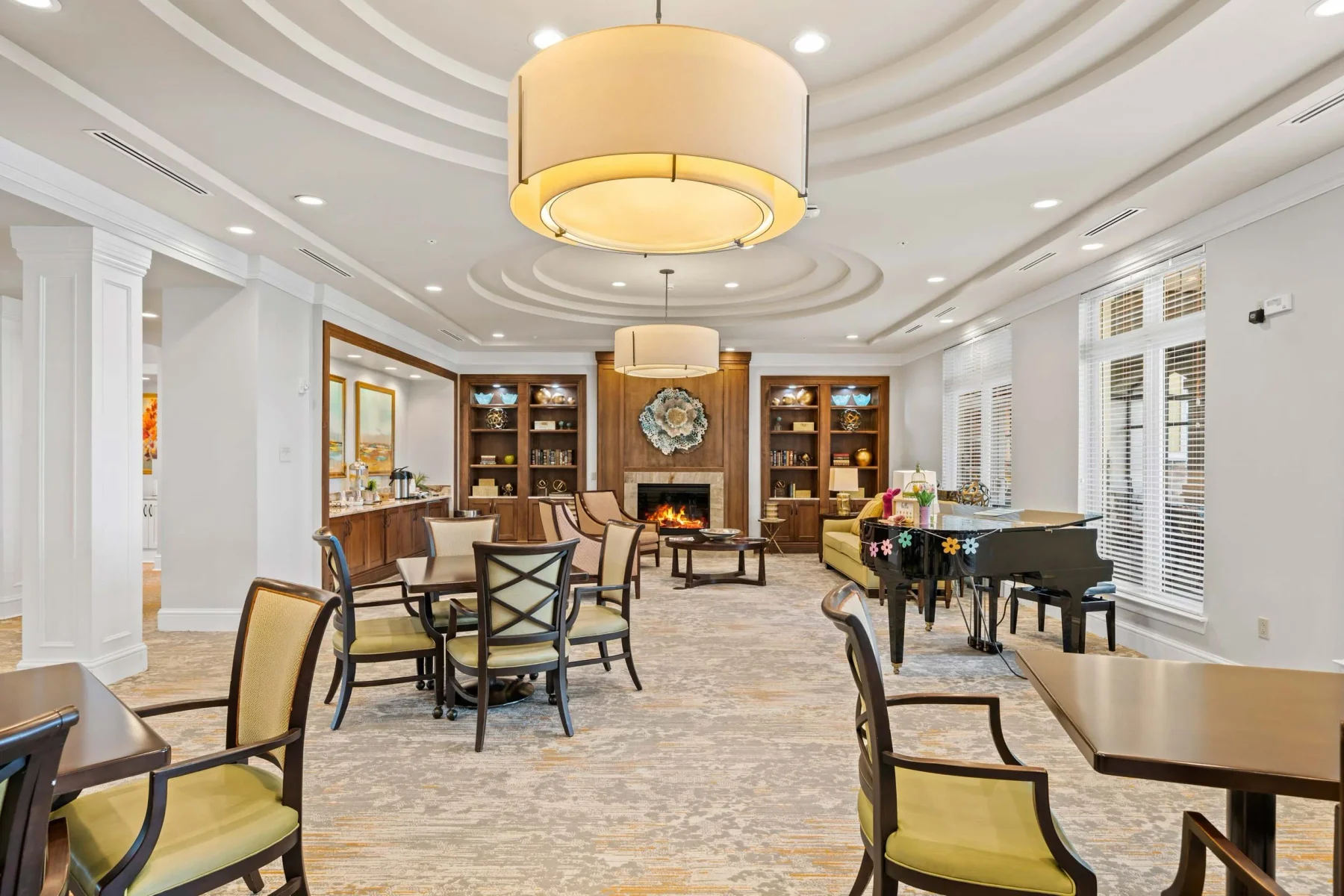
Clear excess paperwork, visitor names, private information, temporary signage and cables. Align seating, check display screens, and confirm whether reception staff should appear in the media.
Pet areas, garages and specialty spaces
Give the production team a list of smaller amenities that are easy to miss. Confirm access, clean high-touch areas and identify the best way to show each amenity accurately.
Who handles resident privacy and permissions?
The site team should determine which spaces can be reserved or photographed and how to communicate with residents. When identifiable people appear intentionally in a marketing shoot, obtain appropriate permissions and releases under the property's policy. Avoid capturing visible personal information, private documents or residents who have not agreed to participate. Marketing teams should also review imagery and representation for compliance with applicable housing advertising rules.
What about aerial footage, weather and twilight?
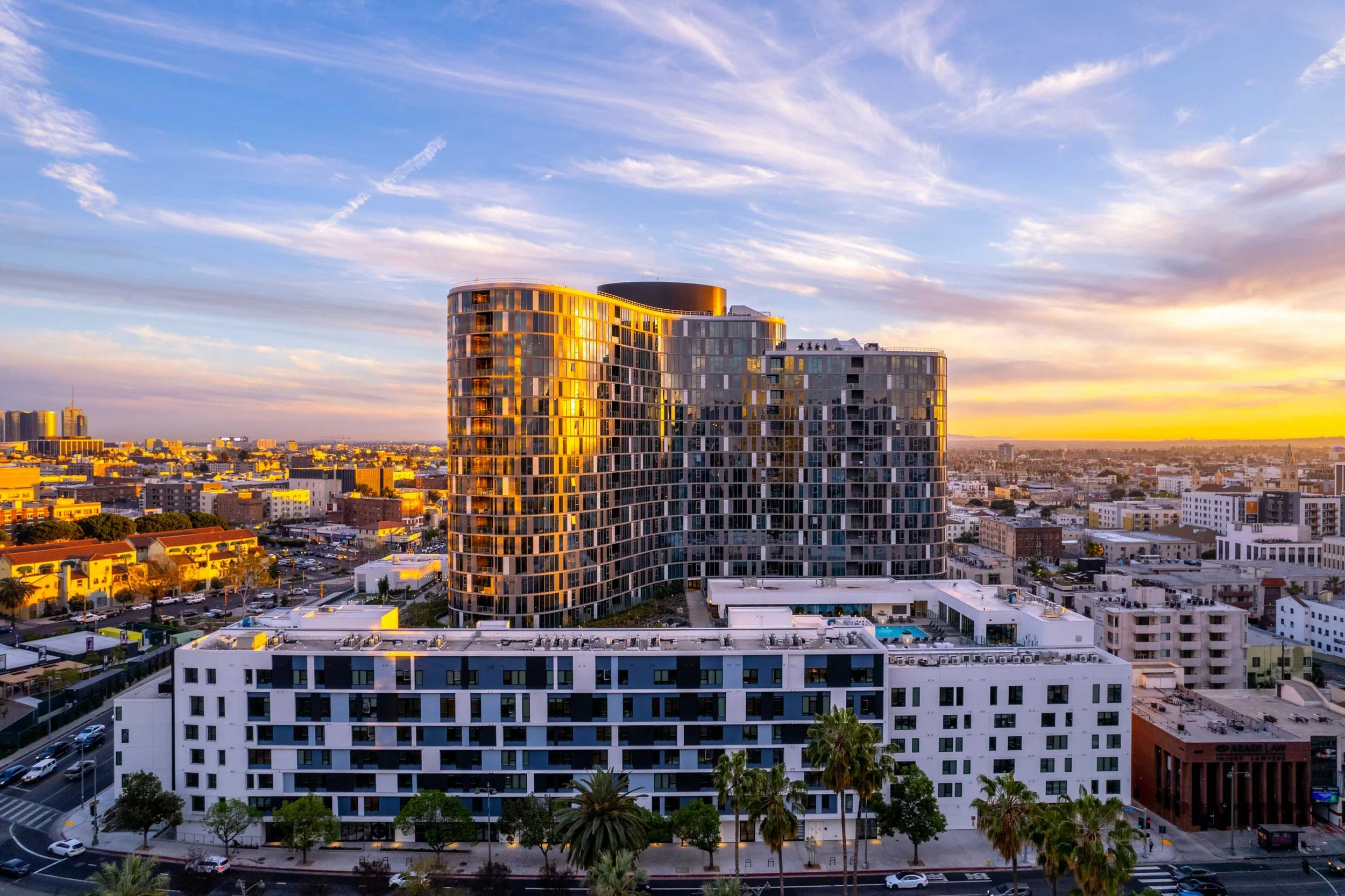
Aerial work requires separate planning for airspace, safety, site access and operating conditions. A commercial drone pilot's certification does not eliminate airspace authorization requirements. The team should verify any needed approvals before the day of flight. See the FAA's current guidance for commercial drone operators for general requirements.
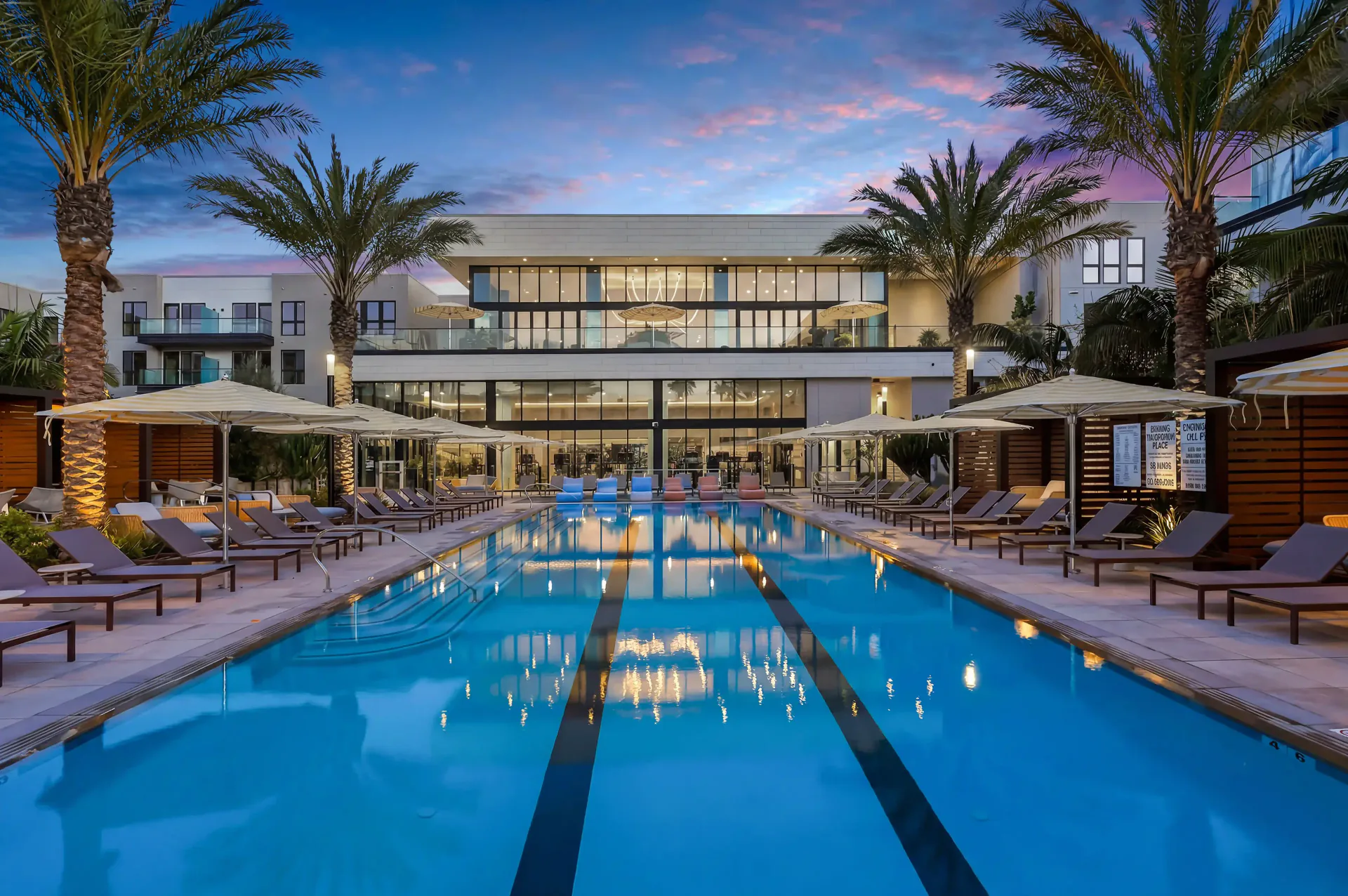
For exterior photos, the sun's position can matter more than where a space appears in the floor plan. Discuss the facade's orientation, pool light, exterior shadows and nearby structures in advance. Twilight is a separate, weather-dependent window. If rain or strong winds prevent it, the schedule or deliverables may need to change according to the proposal.
Example: organizing a full property shoot day
The following is an illustrative schedule, not a promise of how much can be covered in one day. Larger properties, combined photo and film work, talent, access delays or complex spaces may require much longer.
| Window | Coverage | Site preparation |
|---|---|---|
| 9:00 to 10:00 a.m. | Facade and entry | Access clear, landscape tidy, parking coordinated. |
| 10:00 to 11:30 a.m. | Lobby and leasing | Desks reset, paperwork hidden, staff aware. |
| 11:30 a.m. to 1:00 p.m. | Common areas and amenities | Spaces staged, residents notified as needed. |
| 1:00 to 2:30 p.m. | Models | Units cleaned and keys ready. |
| 2:30 to 4:00 p.m. | Remaining exteriors, aerial if approved | Weather and airspace confirmed; site contact available. |
Actual production is rarely perfectly linear. If the front facade has its best light first thing in the morning, shoot it first. If a pool looks better later, schedule accordingly. Build transition and contingency time into the plan rather than booking every minute.
What usually causes avoidable delays?
- Unavailable keys or escorts: the crew waits while someone locates a unit or opens an amenity.
- Unprepared models: cleaners, staging or maintenance arrive during scheduled filming.
- Resident use of amenities: a space cannot be cleared for the approved marketing work.
- Last-minute shot additions: new areas are requested without enough time or budget.
- Changing light or weather: exterior and drone windows are missed.
- Unclear approval authority: multiple people request conflicting adjustments.
Not every disruption is controllable. The goal is to separate preventable access problems from weather or operational conditions that need a flexible response.
A ready-to-send property team handoff
Copy the following details into a shared shoot brief or email before production:
Property: [Name and address]
On-site contact: [Name and mobile number]
Approved shoot date and hours: [Date and access window]
Spaces to cover: [Prioritized list, model unit numbers, floors]
Access: [Keys, codes, escort, parking, elevator]
Resident notice / releases: [Confirmed arrangements]
Media: [Photography, video, drone, vertical, twilight]
Exceptions: [Closures, work in progress, restrictions]
Final approval contact: [Name and email]
Required delivery uses: [Website, ILS, social, paid media, presentations]
Send only the access details necessary to coordinate the work, and share sensitive codes through an appropriate private channel.
Frequently asked questions
Should leasing staff be present all day?
Not necessarily, but the crew needs a reachable contact with the authority to open spaces and resolve conflicts quickly. In some buildings, an escort is required for the entire shoot.
Do rooms need to be completely empty?
Not always. Many amenities look natural with arranged furnishings, but personal items and unpredictable resident traffic can create privacy or continuity issues. Agree on the intended look beforehand.
What if an amenity is closed or under renovation?
Tell the production team before the shoot. That coverage may be rescheduled, excluded or replaced by approved alternative spaces. Never imply that an unfinished amenity is ready for use.
Should we provide a list of final image sizes?
Yes. Identify the platforms and placements that matter. Your production team can confirm appropriate export formats and whether separate crops are necessary.
Make shoot day simpler
This checklist is intended for property managers, leasing teams and marketing directors working with any qualified production provider. If you're planning new multifamily content, Clearform can help define the scope, shot list, schedule and deliverables. Read how to choose the right amount of media, explore multifamily services, or send your property details to Clearform.


