


The Ritz-Carlton, Turks & Caicos, photographed from above along the coastline. Photography by Clearform Creative.
A hotel photography brief should identify the room categories, public spaces, dining areas, and experiences the property needs to show, along with the channels where the images will appear. The brief should also explain how production will fit around guests, housekeeping, and daily operations.
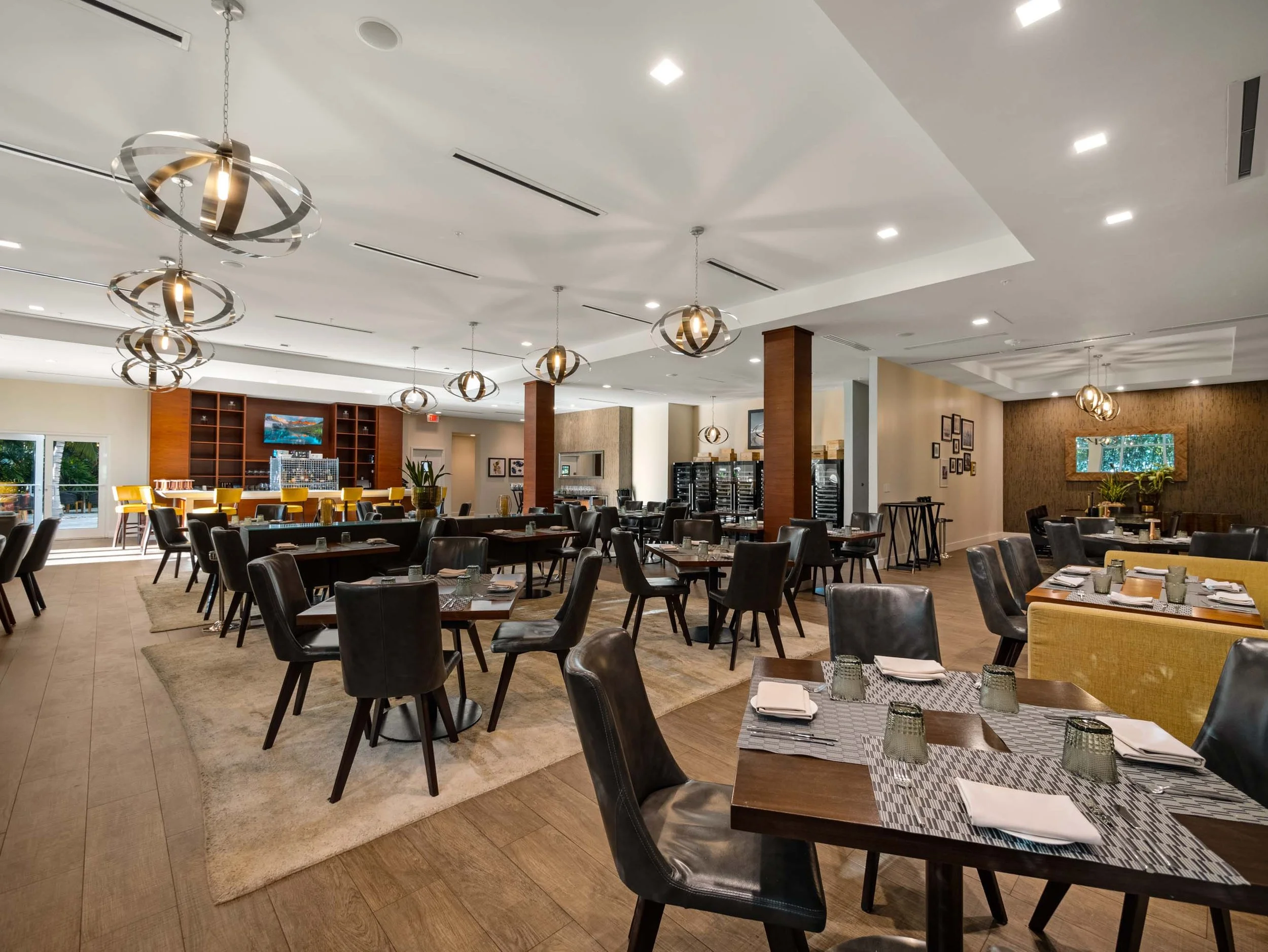
Clearform Creative's hospitality work includes photography and film for The Ritz-Carlton, Turks & Caicos, covering rooms, dining, and island experiences. We have also photographed the exterior of Fairmont Century Plaza. These projects illustrate different scopes: a broad resort library and a focused architectural assignment.
Match the scope to the information guests need
Start with the property website and booking journey. Identify where an image needs to clarify a room category, a dining venue, the arrival experience, or the setting. Add separate requirements for meetings, weddings, wellness, or other offerings only when they apply to the property and campaign.
Avoid grouping all guest rooms under one line item. List the categories being photographed and the features that distinguish them. A balcony, connecting layout, separate living room, or particular view can require a specific angle and an accurate label.
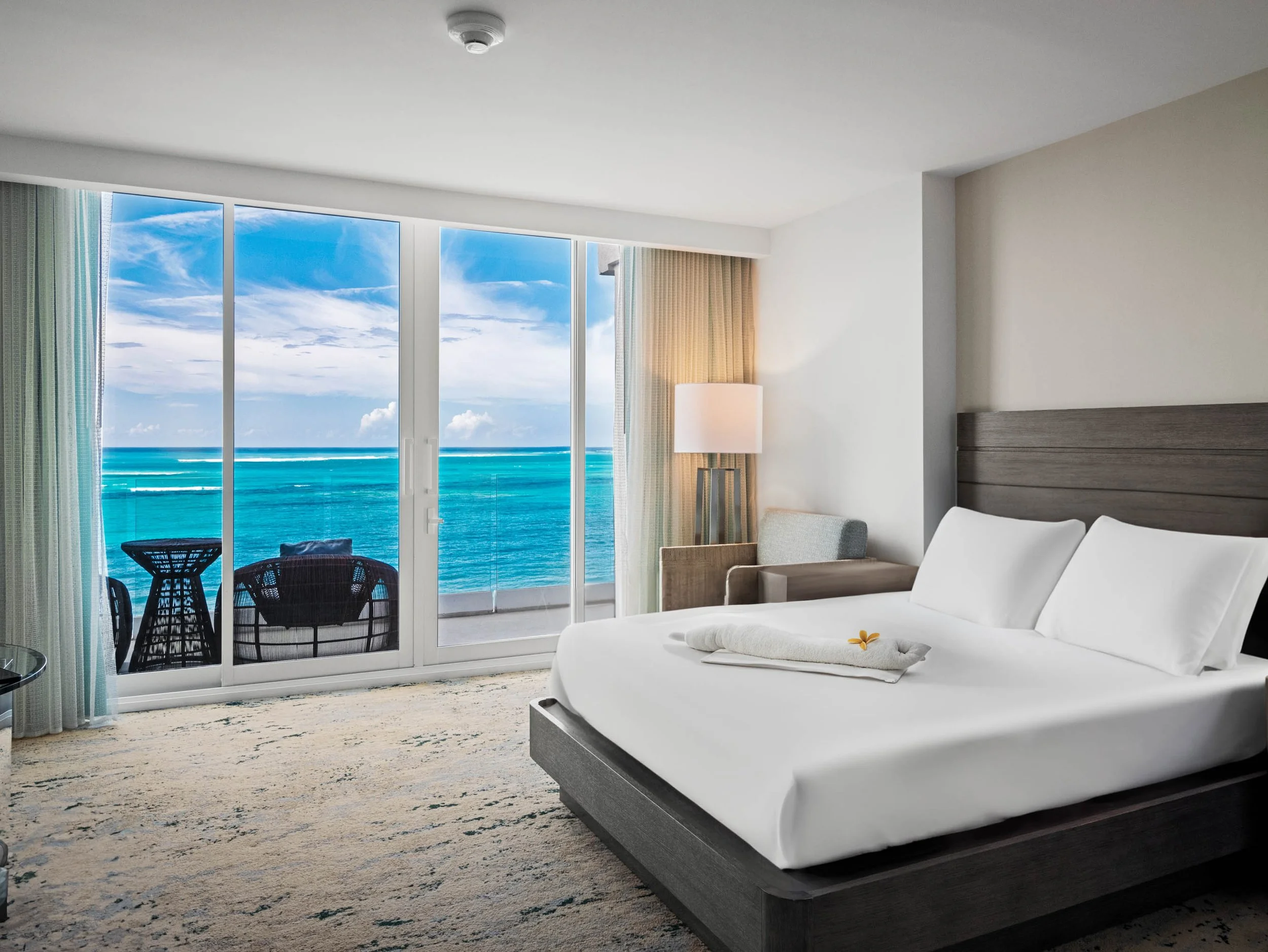
Our photography, video production, and aerial drone services can be scoped around the property brief. Review our architecture portfolio for building and interior work, and our travel portfolio for destination imagery.
Create a coverage matrix
| Subject | Useful views | Coordination needed |
|---|---|---|
| Guest rooms | Room overview, bed area, bathroom, distinguishing features | Room category, housekeeping, access |
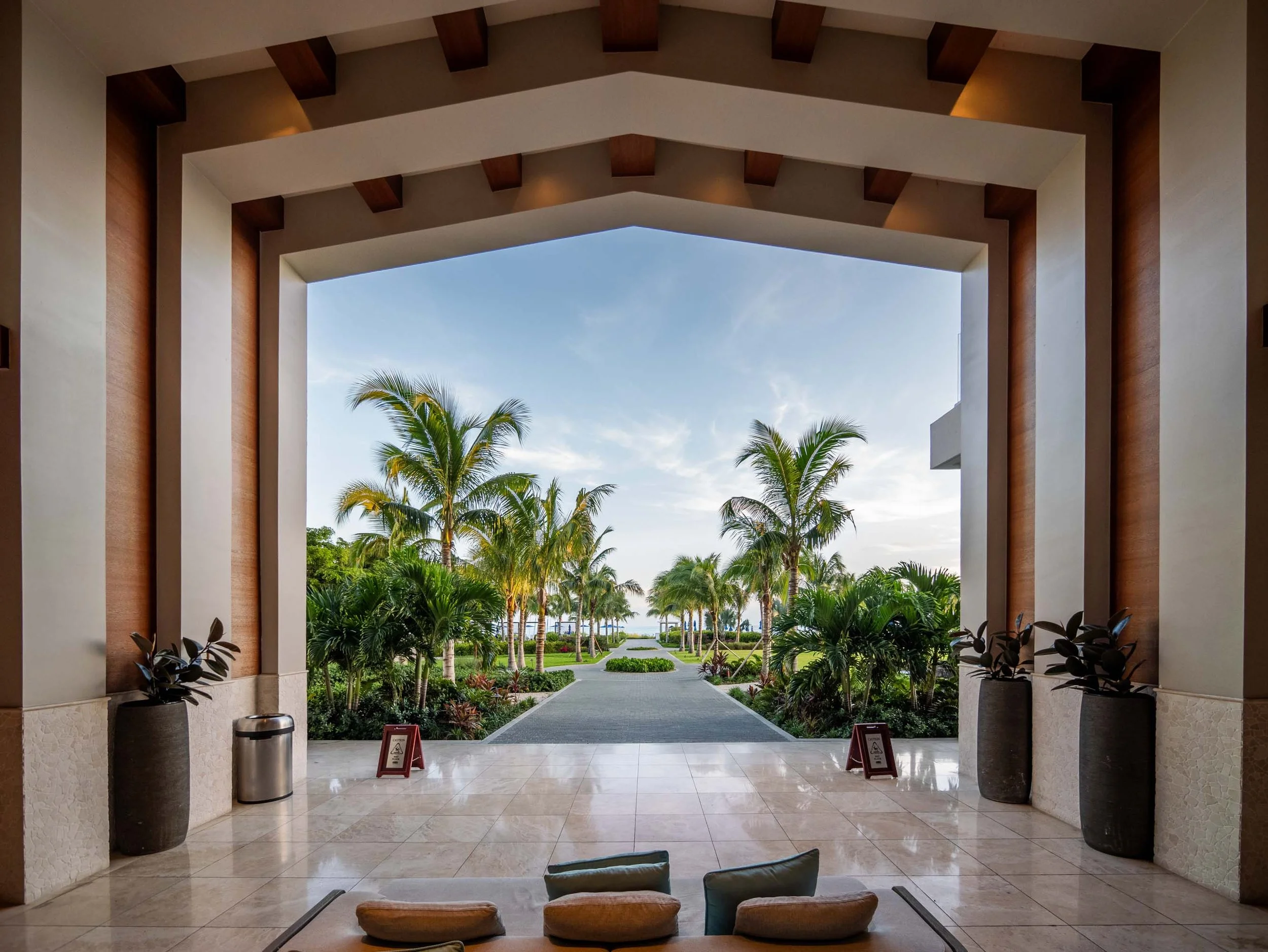
| Arrival and architecture | Entrance, lobby, facade, circulation | Guest flow and property presentation |
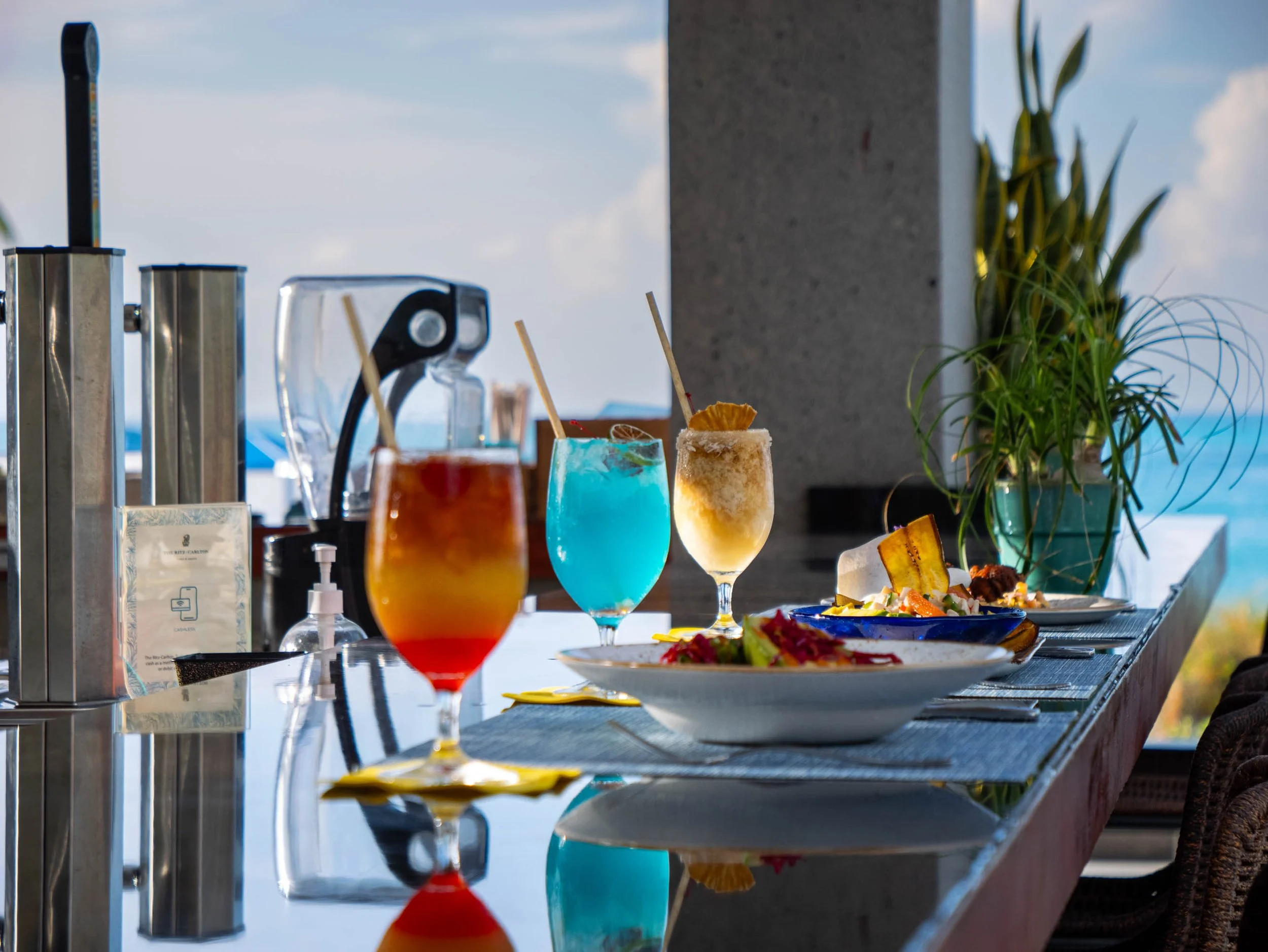
| Dining | Room atmosphere, table setting, selected food and beverage | Kitchen timing, service setup, styling |
| Amenities | Pool, spa, fitness, outdoor spaces where applicable | Operating hours and temporary closures |
| Destination context | Grounds, coastline, city setting, surrounding views | Accurate labels and feasible access |
| Lifestyle | Planned moments that explain a specific experience | Participants, permissions, staff coordination |
For each row, specify whether you need still photographs, motion coverage, or both. Planning photo and video together helps identify shared access needs, but a room should have enough time allocated for each medium.
Schedule around readiness and light
Confirm which rooms can remain presentation-ready for the required capture window. Ask the operations team about housekeeping turnover, deliveries, pool activity, restaurant service, and any scheduled maintenance.
Review exterior priorities against the property's orientation and available light. An evening facade may deserve a dedicated window, while a guest room or restaurant may need a different time. Keep a fallback plan for weather-dependent coverage and identify who can approve a schedule adjustment.
Planning a shoot? Send us your property, priority spaces, and deadline so we can recommend a deliverable-based scope.
Define architectural and lifestyle coverage separately
An architectural image explains a room or space. A lifestyle image shows a planned interaction or experience within it. Put both in the brief when both are needed, with separate expectations for participants, styling, and access.
At The Ritz-Carlton, Turks & Caicos, our published project describes a library spanning rooms, dining, and island experiences. The coastal cover photograph shows the resort's relationship to the beach. It supports the setting portion of the story; the rest of the library needs to explain what guests will find inside.
Agree on delivery before capture
List the finished-photo count by category, required video edits if included, orientation needs, file specifications, delivery dates, and intended usage. Ask the marketing team to provide current channel requirements rather than assuming one crop will work everywhere.
Keep room names and amenity labels attached to the files. Confirm whether photographs show a standard room, a suite, a particular view category, or a staged setup. Accurate labels help the marketing team place the right photograph beside the right description.
Brief to send: Property and address; purpose of the shoot; room categories; spaces and experiences; photo and video deliverables; brand references; channels and crops; guest access constraints; site contacts; priority capture windows; deadline; usage requirements.
Questions to resolve before booking
Should every room category be photographed? Include the categories needed for the planned marketing. If you omit one, decide how it will be represented accurately.
Do we need a full resort production for an exterior update? A focused exterior assignment can be scoped separately. Fairmont Century Plaza is an example of our exterior photography work.
Should we include aerial coverage? It can be useful when the setting is central to the property story. Confirm feasibility and the specific views before including them as required deliverables.
Explore our hospitality photography and video for more project examples.
Plan your hotel production
For exterior priorities, read daylight versus twilight hotel photography. Review the production FAQs and published rates as starting references, then scope the actual deliverables for your property.
Send the hotel address, room categories, campaign channels, and deadline. Contact Clearform for a hotel photography and video scope.


